








LEARNING CONTINUITY
The work continues.
The work continues.
So does the learning.
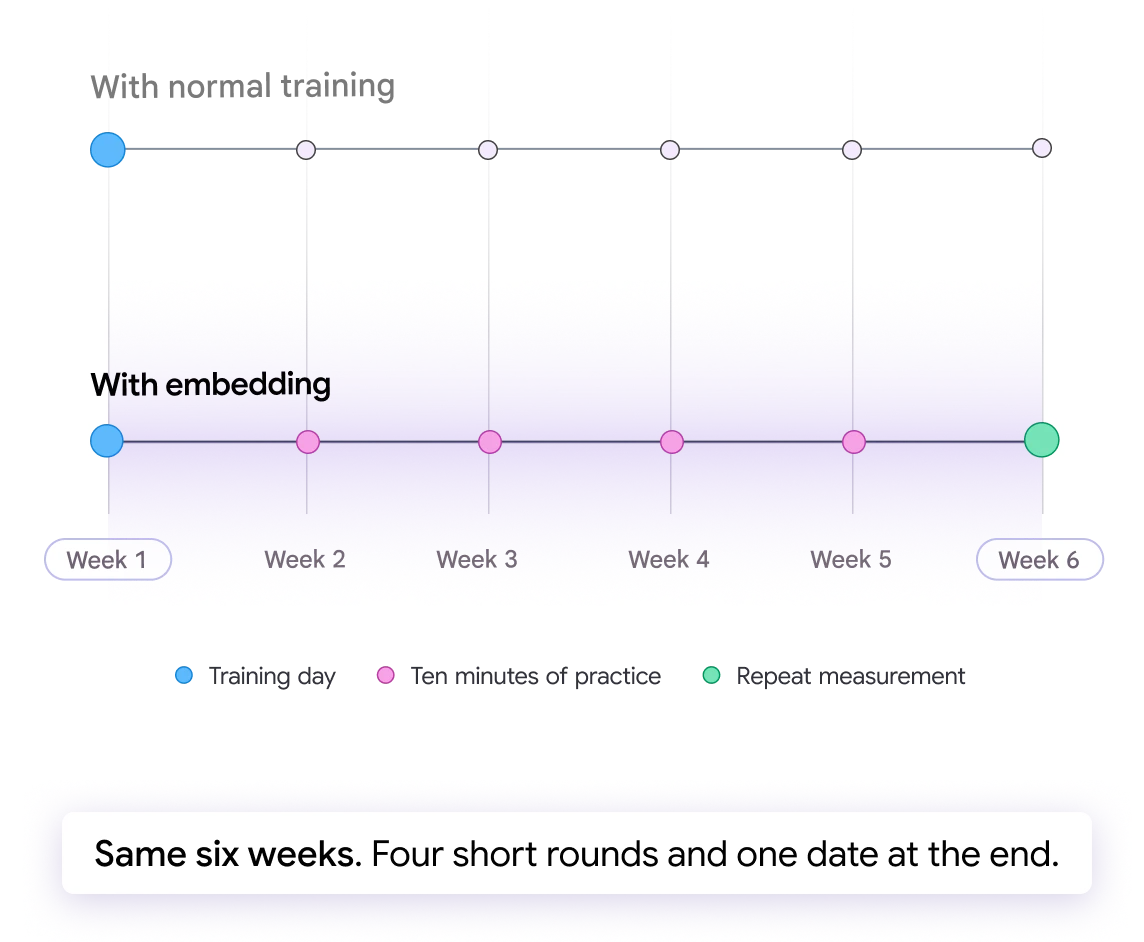
Training can create insight. Behaviour changes when people practise, apply, reflect and try again in the work itself.
Skills age fast, roles shift and what works today may not be what tomorrow needs. Learning continuity builds the ability to “act differently tomorrow”.
That’s why learning cannot be a one-off event. We build a simple rhythm around real work: practice, apply, measure, discuss, repeat.
Repeat
Practice
Apply
Discuss
Measure
HONEST PICTURE
Without repetition, the forgetting curve wins.
One training day rarely beats the habits people return to the next morning. The forgetting curve is real: what is not repeated disappears under the pressure of daily work.
The answer is not more inspiration, but repetition at the right moments: practise, apply, reflect, repeat. Each round lifts the curve, until the new behaviour starts to stick.
Measurement
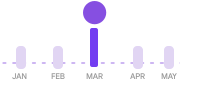
Rhythm
THE PRACTICE LAYER
practaice.nl
Every soft skill, practised in your own work context.
Knowing what good looks like is one thing. Showing it when someone pushes back, emotions rise or the pressure is on is another.
That’s why we built PractAIce. People practise real conversations with realistic AI avatars, in scenarios built around their own role, work context and challenges.
They get immediate feedback, focus on what needs improvement and try again. So practice continues beyond the training room and behavioural development becomes visible and measurable over time.
Same situation, one thing done differently.
We put the plan on the table, not buried in a report
Everything we bring has one job: move the conversation from opinion to something you can point to when behavior starts slipping.
What good looks like
What doesn't fit
How we address it
How it becomes everyday practice
Leadership needed
Behaviours that help or hinder
How leaders respond in practice
Part of the way of working
Open
What you both see. This is where the work gets easier
Blind spot
What everyone notices except you
Hidden
What do you know and keep to yourself
Unknown
What still has to surface
Already yours
Keep it
The tense zone
This is where we practise
Obligation
Out of habit
A clear choice
And that is allowed
People and roles
Shared goals
Values
Personal goals
Need and expectations
Working agreements and activities
Strength and resources
Pitfall and risks
Role
Responsibility
Handover
Dependencies
Decision